The Story Behind Bhai Dooj and Its Importance in Indian Culture
Blog Post
Bhai Dooj is a special Indian festival that celebrates the beautiful bond of love, care, and affection between brothers and sisters. Observed on the second day of the Shukla Paksha in the Hindu month of Kartik, this festival marks the end of the five-day Diwali celebrations.
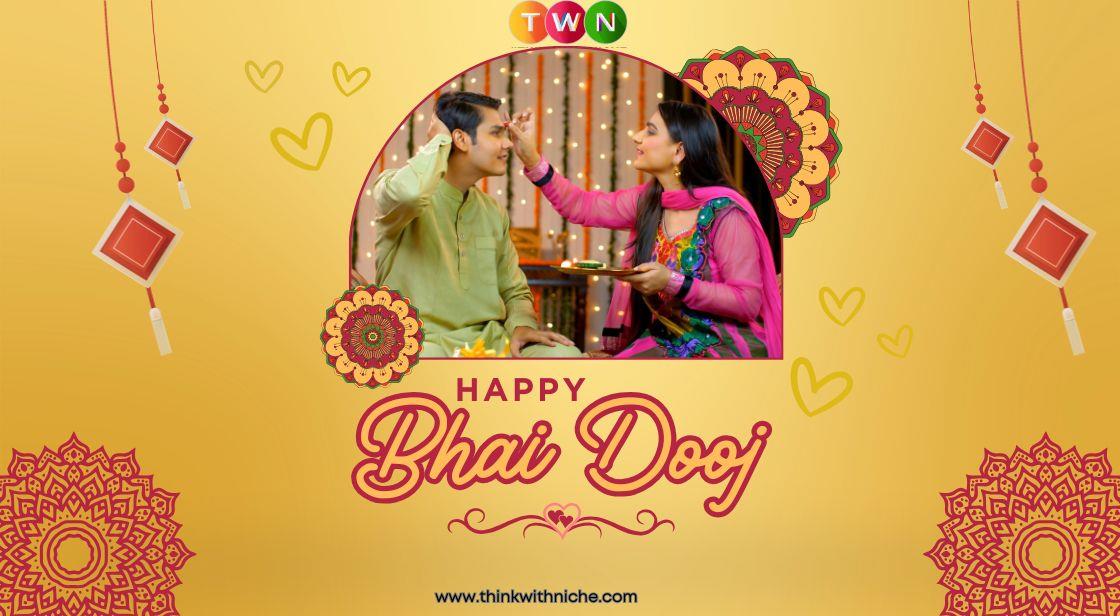
On this occasion, sisters apply a traditional tilak on their brothers’ foreheads and pray for their good health, happiness, and long life. Brothers, in return, express their love and promise to support and protect their sisters.
Celebrated by different names across India, including Bhaiya Dooj, Bhau Beej, Bhai Phonta, and Yama Dwitiya, the festival carries a special cultural and emotional significance. Beyond religious rituals and gift exchanges, Bhai Dooj reminds us of the importance of family relationships, mutual respect, and lifelong companionship.
As Bhai Dooj 2026 approaches, let us explore its history, mythological stories, religious significance, auspicious timings, and traditional ways of celebrating this cherished festival.
May Bhai Dooj bring happiness, prosperity, and sweet memories into your life.
Think With Niche wishes all its readers a very Happy Bhai Dooj!
Bhai Dooj: Celebrating the Sacred Bond Between Brothers and Sisters
What is Bhai Dooj?
Bhai Dooj is a festival dedicated to the sacred relationship between brothers and sisters. It celebrates love, trust, and respect between siblings. On this day, brothers visit their sisters’ homes to receive blessings, while sisters apply a ceremonial mark (Tika) on their brothers’ foreheads and pray for their long life. In return, brothers give gifts as a token of love and care.
Origin of Bhai Dooj
Bhai Dooj, also known as Bhaiya Dooj, Bhau Beej, or Bhai Phonta, is celebrated by Hindus in India, Nepal, and some other countries. It falls on the second day (Dwitiya) of the bright fortnight (Shukla Paksha) of the Kartik month in the Hindu calendar. This festival marks the final day of the five-day Diwali or Tihar celebrations. In southern India, it is also celebrated as “Yam Dwitiya.”
How Did Bhai Dooj Start?
Several Hindu myths explain the origin of Bhai Dooj:
-
The Story of Krishna and Subhadra
According to one legend, after Lord Krishna defeated the demon Narakasura, he went to meet his sister Subhadra. She welcomed him warmly, decorating him with flowers and offering sweets to celebrate his return. Subhadra also applied a ceremonial tilak on Krishna’s forehead. This loving gesture is believed to be the origin of the Bhai Dooj tradition. -
The Story of Yama and Yamuna
Another story involves Yama, the god of death, and his sister Yamuna. On this day, Yama visited Yamuna, and she honored him with a warm welcome, applying a tilak and praying for his well-being. Pleased by her devotion, Yama blessed her that any brother visiting his sister on this day would never have to fear death. This legend is considered another origin of Bhai Dooj.
Also Read: Understanding Significance of Dhanteras and What to Avoid Buying
Meaning and Significance of Bhai Dooj
The festival’s name comes from two words: “Bhai” meaning brother and “Dooj” meaning the second day after the new moon (Amavasya). Bhai Dooj strengthens the bond between siblings, allowing them to spend time together, recall childhood memories, and discuss their future goals.
This day emphasizes love, trust, and respect between brothers and sisters. Sisters prepare special meals, invite their brothers home, and pray for their health and long life. In return, brothers vow to care for and protect their sisters. Bhai Dooj is more than just a ritual; it is a celebration of family ties, love, and mutual respect that holds a special place in Indian culture.
Why Is Bhai Dooj Called Yama Dwitiya?
In the southern parts of India, Bhai Dooj is known as Yama Dwitiya. The name comes from the legend of Yama, the god of death, and his sister Yamuna. According to Hindu mythology, Yama visited his sister Yamuna on the second lunar day (Dwitiya) after Amavasya (new moon). She welcomed him warmly, performed a ceremonial tilak on his forehead, and prayed for his well-being.
Deeply touched by her love and devotion, Yama declared that any brother who visits his sister on this auspicious day would be blessed with a long and prosperous life and would never fear death. From that day onward, the occasion came to be known as Yama Dwitiya, symbolizing the sacred bond between brothers and sisters.
Bhai Dooj 2026: Auspicious Time
When Is Bhai Dooj 2026?
According to the Hindu calendar, Bhai Dooj is celebrated every year on the second day (Dwitiya Tithi) of the Shukla Paksha in the month of Kartik. In 2026, the Dwitiya Tithi will begin on the afternoon of November 10 and continue until the afternoon of November 11. Based on the Udaya Tithi (the lunar date prevailing at sunrise), Bhai Dooj will be celebrated on November 11, 2026.
The festival is observed two days after Diwali. Before Bhai Dooj, people celebrate Govardhan Puja and the Annakut festival. On this special occasion, sisters invite their brothers home, apply a tilak on their foreheads and perform an aarti to pray for their well-being and long life. In some regions, brothers also visit their sisters' homes and enjoy a special meal together.
Bhai Dooj 2026 Tilak Shubh Muhurat (Auspicious Timing)
The afternoon is considered the most auspicious time for applying tilak on Bhai Dooj. Sisters perform the tilak ceremony during the शुभ मुहूर्त (auspicious period), followed by an aarti and prayers for their brothers' happiness, good health and prosperity.
Important Dates and Timings for Bhai Dooj 2026:
-
Bhai Dooj Date: Wednesday, November 11, 2026
-
Dwitiya Tithi Begins: November 10, at 2:00 PM
-
Dwitiya Tithi Ends: November 11, at 3:53 PM
-
Auspicious Tilak Timing: 1:10 PM to 3:20 PM on November 11
Tradition of Bhai Dooj
On Bhai Dooj, brothers visit their sisters’ homes to seek blessings. Sisters welcome them with love, apply sandalwood paste (chandan) on their foreheads, and perform the Tilak ceremony using rice grains (akshat), flowers, and sweets.
Afterward, brothers give gifts to their sisters as a gesture of affection and gratitude. The two share sweets, recall their childhood memories, and spend quality time together, celebrating the day with joy and laughter.
Festivals Celebrated Before Bhai Dooj
Bhai Dooj marks the fifth and final day of the five-day Diwali festival. The celebrations begin with Dhanteras and Narak Chaturdashi, followed by Diwali, Govardhan Puja, and finally Bhai Dooj.
1. Diwali – Festival of Lights
Diwali, the third day of the festival, is also known as Lakshmi Puja. It commemorates Lord Rama’s return to Ayodhya after 14 years of exile and his victory over the demon king Ravana. Diwali symbolizes the triumph of light over darkness, knowledge over ignorance, and hope over despair. It falls on the new moon night (Amavasya) of the Hindu month of Kartik.
2. Govardhan Puja
The fourth day of Diwali celebrations is Govardhan Puja, also known as Annakut. On this day, devotees worship Govardhan Hill, which Lord Krishna once lifted to protect the villagers of Vrindavan from torrential rains. Devotees prepare and offer 56 varieties of vegetarian dishes (Chhappan Bhog) as a mark of gratitude and devotion.
What to Do on Bhai Dooj Day
Here are a few meaningful ways to celebrate Bhai Dooj:
-
Visit your brother or sister and seek their blessings.
-
Perform the Tilak ceremony and pray for your sibling’s long, healthy, and happy life.
-
Exchange gifts as a token of love and appreciation.
-
Spend quality time together and cherish your childhood memories.
-
Discuss your goals, dreams, and strengthen your sibling bond.
What Not to Do on Bhai Dooj
To keep the spirit of the festival alive, here are a few things to avoid:
-
Do not argue or fight with your brother or sister.
-
Avoid saying or doing anything that may hurt their feelings.
-
Don’t make unnecessary demands or requests.
-
Instead, celebrate the day with joy, laughter, and mutual love.
Conclusion
Bhai Dooj is a beautiful celebration that reflects the deep-rooted values of Indian culture — love, respect, and togetherness. It strengthens the emotional bond between brothers and sisters, reminding them of their lifelong duty to care for and protect one another. The festival not only honors familial relationships but also conveys the message of unity and affection that forms the foundation of Indian society.
Whether it is known as Bhai Dooj, Bhau Beej, Bhai Phonta, or Yama Dwitiya, the essence remains the same — celebrating the sacred bond of siblings. As families come together, exchange gifts, share sweets, and relive cherished memories, Bhai Dooj fills hearts with warmth and gratitude. The festival encourages love and harmony within families, spreading positivity and happiness. May Bhai Dooj 2026 bring peace, prosperity, and lasting affection to every brother and sister across the world. Happy Bhai Dooj!
Happy Bhai Dooj!
May this Bhai Dooj bring peace, happiness, and prosperity to every family.
Celebrate this special day with love and warmth — and strengthen the beautiful bond between brothers and sisters.
Think With Niche wishes all its readers a Happy Bhai Dooj 2026!
You May Like



EDITOR’S CHOICE