US Visa Alert: Students Must Make Social Media Public Under New Rule
News Synopsis
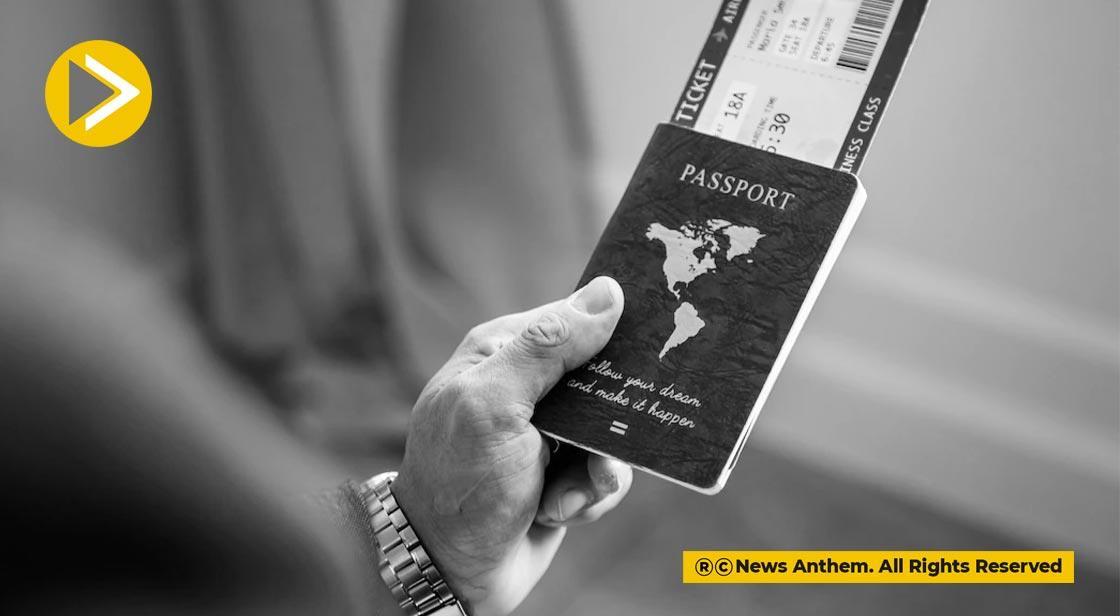
The U.S. State Department has resumed processing international student visas after a temporary suspension and introduced a major change to the application process.
New Social Media Mandate for US Student Visas
Who Will Be Affected?
All applicants under F, M, and J visa categories are now required to make their social media profiles publicly accessible for scrutiny. The aim is to help consular officers assess any signs of “hostile attitudes” towards the United States.
Digital Footprints Under Review
With over 400,000 student visa applications annually, every candidate must now expose their social media activity on platforms such as Facebook, Twitter, Instagram, and TikTok. According to official guidelines, consular staff will check for signs of anti-American views, terrorist affiliations, or antisemitic behavior.
“The idea is to assess the applicant’s entire online presence,” a State Department official stated.
“Limited access or any effort to obscure online activity may be interpreted as an attempt to hide information.”
Officers have been instructed to capture screenshots and maintain detailed notes of online content for future reference.
Wider Surveillance Beyond Social Media
This expanded digital background check will also involve tools like LexisNexis and other online intelligence services to build comprehensive applicant profiles—marking a new level of scrutiny in the student visa process.
Slower Processing and Limited Slots
The new rule is likely to delay visa processing times. As per internal memos, preference will now be given to students attending institutions where international enrollment is under 15%. This, coupled with the added vetting layers, could significantly impact appointment availability and wait times.
Trump’s Pressure on Universities
The updated policy comes amid growing tensions between the Trump administration and elite universities in the U.S. Following pro-Palestinian campus protests, the government froze $2.65 billion in federal grants to Harvard University.
Furthermore, Trump has proposed a 15% enrollment cap for international students per institution, potentially affecting over 200 universities nationwide.
Economic Impact and Concerns
International students bring in over $40 billion to the U.S. economy annually. However, education experts warn that the increased scrutiny and uncertainty could discourage applicants, threatening global talent flow and revenue for American academic institutions.
Conclusion
The U.S. State Department’s decision to mandate public social media profiles for F, M, and J visa applicants marks a significant shift in immigration policy, especially for international students. While the move is aimed at safeguarding national security, it has raised serious concerns about data privacy, longer wait times, and its impact on global student mobility.
With officers now empowered to monitor applicants' digital behavior across platforms and external databases like LexisNexis, the student visa process has become more complex and time-consuming. Institutions with higher international enrollment may also see fewer admissions as priority shifts. Additionally, the Trump administration’s crackdown on elite universities and the proposed 15% enrollment cap risk reducing America’s appeal as a global education hub.
As uncertainty looms, students and universities alike will need to navigate this evolving policy landscape carefully. The coming months will be critical in understanding how these rules impact future admissions and the global flow of talent to the U.S.
You May Like