Solar Eclipse 2024 Made Birds Sing Like It Was Morning Again, Says New Study
News Synopsis
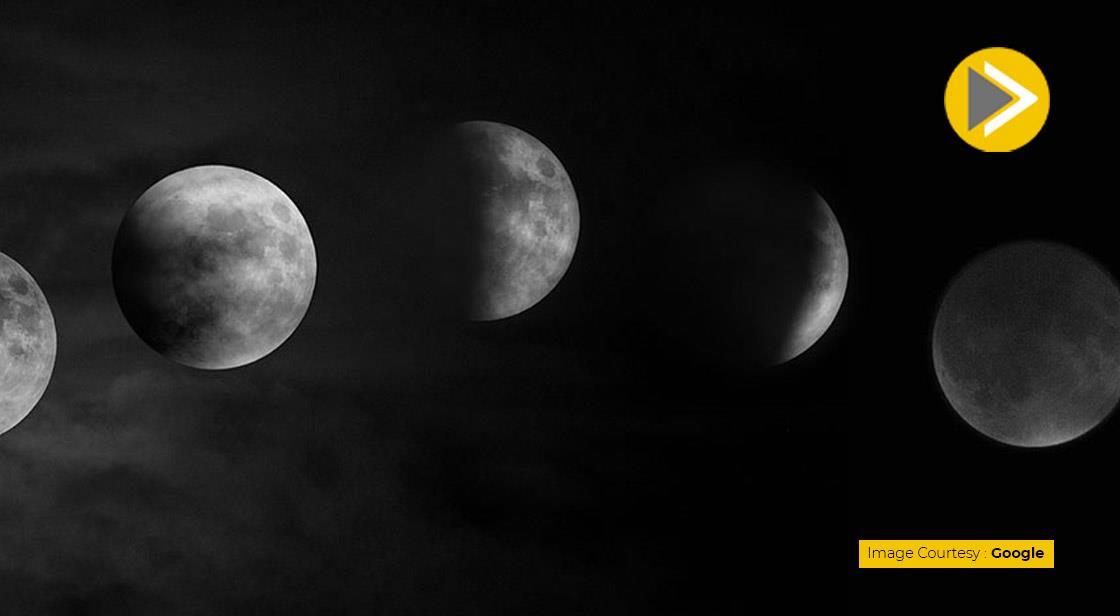
On April 8, 2024, a total solar eclipse swept across North America, tracing a 2,500-mile (4,000 km) path from Mexico’s Pacific Coast through Texas and 14 other U.S. states into Canada. For a few rare minutes, day turned into night as the moon completely obscured the sun, with the period of totality lasting around four minutes depending on the observer’s location.
While millions of people marveled at the cosmic spectacle, scientists were busy studying how the sudden darkness affected wildlife, especially birds, whose behavior is closely regulated by sunlight.
How Birds Reacted to the Sudden Darkness
Birds Behaving Like It Was Dawn
Researchers discovered that many birds became confused by the sudden drop in light and behaved as though it were early morning. Some species even began singing their traditional “dawn chorus” as the sunlight reappeared after totality.
“Light is one of the most powerful forces shaping bird behavior, and even a four-minute ‘night’ was enough for many species to act as if it were morning again. That tells us just how sensitive some birds are to changes in light,” said Liz Aguilar, a doctoral student in evolution, ecology, and behavior at Indiana University and the study’s lead author.
Why Light Matters So Much
“Based on previous research, most of which was collected in the lab, we know that changes in light are the most important cues used by living organisms to time their daily rhythms. As day transitions to night and vice versa, hormone levels and gene expression in the body change, and that causes differences in behavior,” said Dustin Reichard, a biology professor at Ohio Wesleyan University and co-author of the study published in Science.
The Largest Citizen-Science Effort to Study Bird Behavior During an Eclipse
This research is the most comprehensive study of its kind to date. Scientists analyzed data from two large datasets:
-
Fourteen recording units placed around Bloomington, Indiana, captured over 100,000 bird vocalizations. Machine-learning tools helped identify individual species based on their songs and calls.
-
Nearly 1,700 citizen scientists across North America contributed more than 11,000 observations via a specially designed smartphone app called SolarBird, allowing the public to assist researchers in tracking bird behavior during the eclipse.
Key Findings: Which Birds Were Most Affected
A total of 52 bird species were recorded in Bloomington, with 29 showing significant changes in their vocal activity during the eclipse compared to normal afternoons.
“Different bird species greet the dawn in very different ways. Some have loud, elaborate dawn choruses, while others are much quieter. We found that species known for the most intense dawn choruses were also the ones most likely to react to the eclipse,” Aguilar explained.
Species-Specific Reactions
-
American Robins — Among the most responsive species, these birds showed a sixfold increase in vocalizations during and just after totality.
-
Barred Owls — Typically active around dawn and dusk, these birds vocalized four times as much once the light returned after totality.
-
Carolina Wrens — Surprisingly, these highly vocal birds showed no behavioral changes at all.
Why Birds Respond Differently to Light Changes
“It actually makes sense that not all species reacted the same way. Birds differ in how sensitive they are to changes in light. It would have been more surprising if every species responded identically. Each species has its own activity patterns, energetic needs and sensory abilities, so they interpret environmental changes differently,” Aguilar said.
Researchers also explored whether factors such as migration habits or genetic relationships influenced reactions but found no consistent patterns.
“We looked for patterns among closely related species and also compared migratory versus resident birds, but we didn’t find any consistent differences,” Aguilar added. “That tells us there’s still more to learn about what makes certain species more or less sensitive to sudden changes in light, which will be an important direction for future research.”
Conclusion: A Window Into Nature’s Sensitivity to Light
The study provides rare insight into how even brief environmental changes—like a four-minute eclipse—can profoundly influence animal behavior. It underscores that light remains one of the most powerful regulators of biological rhythms across species.
As Aguilar noted, the findings open up exciting directions for future research on how climate change, artificial light pollution, and other disruptions may further affect wildlife behavior and ecosystems.
The next total solar eclipse visible across parts of North America will occur on August 23, 2044, offering another opportunity for scientists to observe nature’s reaction when day briefly turns to night.
You May Like